
November 2026
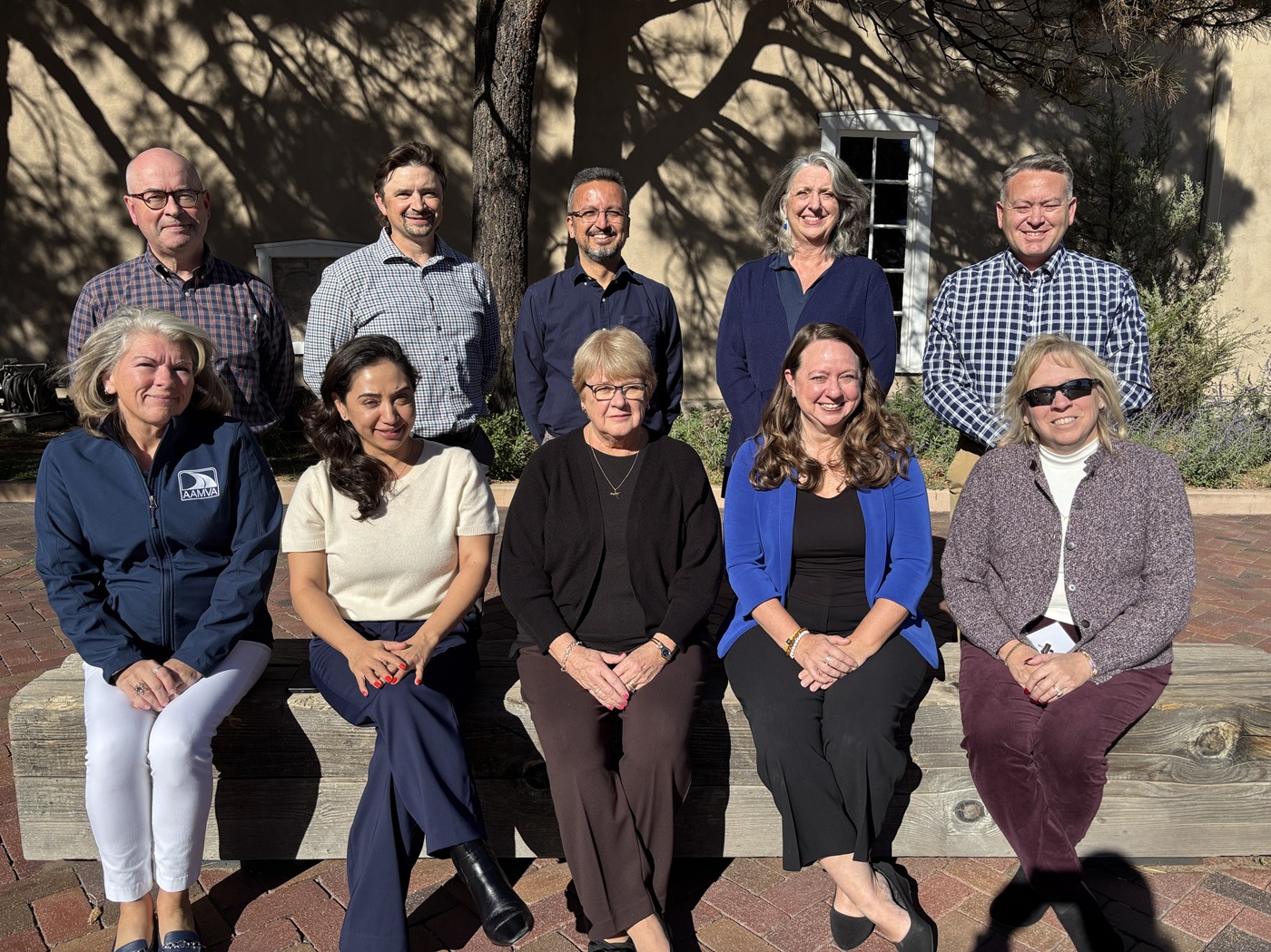
AAMVA's Driver, Law Enforcement, Identity Management, MVA Operations and Customer Experience, and Vehicle Committees met in Santa Fe, New Mexico on October 27-28 for their combined committee meeting. Each committee reported on progress since its last meeting and discussed priorities for the coming year. Highlights from each committee are below.
Driver Committee
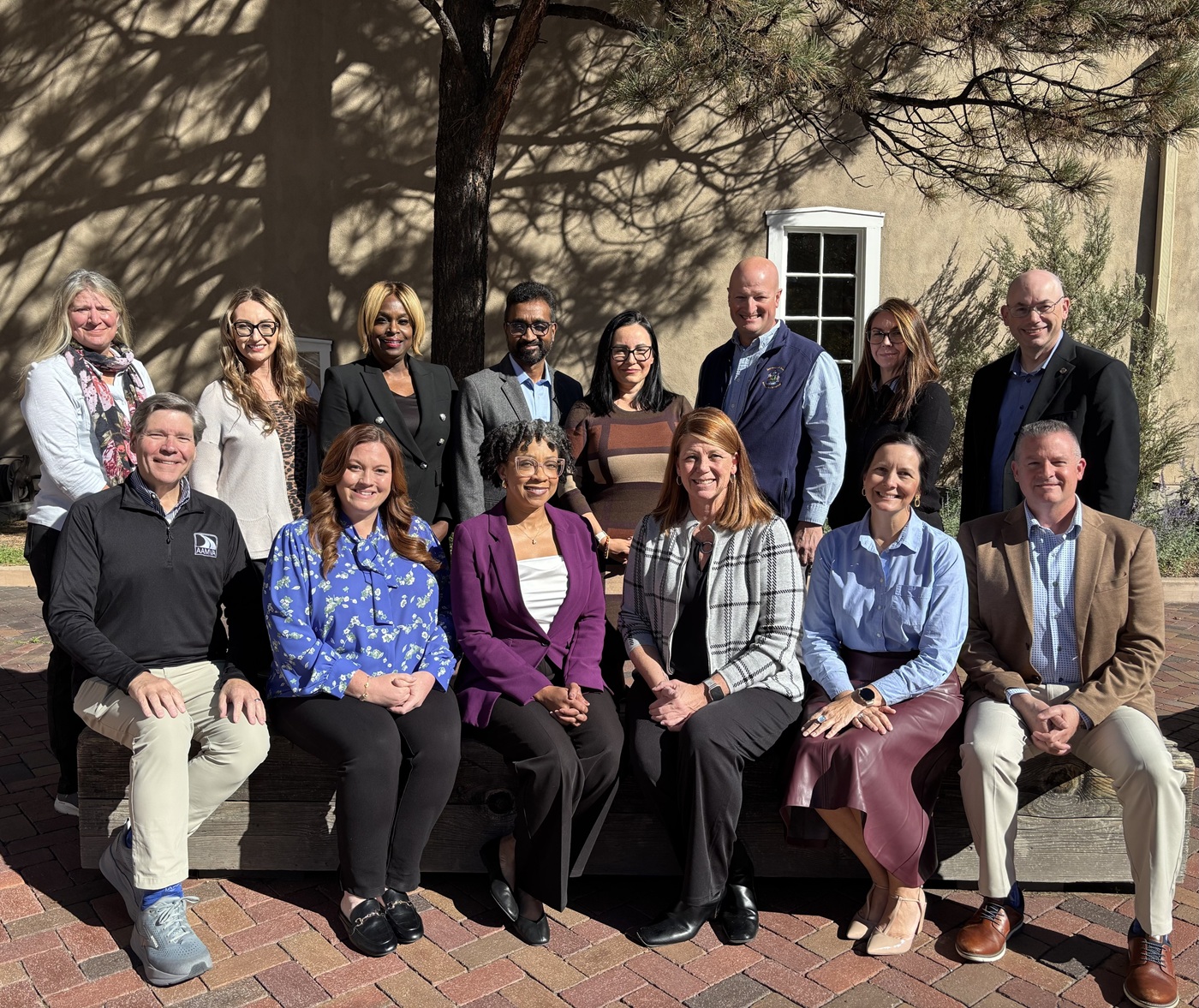
The Driver Committee reported on several initiatives that will shape driver programs in the years ahead. SPEXS 6.5 will be the next major release of SPEXS, bringing significant enhancements to CDLIS and State-to-State (S2S) that improve efficiency and data quality. It is planned for availability to jurisdictions in 2029 and assumes all states participate in S2S and have migrated to REST.
AAMVA was also selected, on NHTSA's recommendation, as a partner in a Department of Defense effort to improve safety through the Joint Military Civilian Health Ecosystem. Two non-commercial driver license projects, one on identifying and testing medically at-risk drivers and one on bringing driver education back into the classroom, have been approved to produce toolkits and guidance documents, with AAMVA providing grant-funded technical guidance and a connection to motor vehicle agencies.
The committee also approved each subcommittee's roadmap and priorities, and AAMVA staff are exploring an opportunity for states to share approaches to managing Social Security Administration (SSA) audits, following a request from Hawaii. The Driver’s subcommittees focus on CDLIS, CSTIMS, S2S, NDR/PDPS, ACD, and DTET (driver testing and examiner training).
At its individual breakout, the committee took up a series of policy and guidance items. It recommended eliminating the residency policy rather than taking a position, since residency requirements vary widely across state laws. The committee supports the citizenship marker guidance, provided it states clearly that AAMVA neither endorses nor opposes a citizenship marker and the policy exists to assist jurisdictions that choose to adopt one. It also asked that the guidance on AI glasses be broadened to cover evolving technology used for fraud and cheating in testing, including recommendations on consequences, as some states currently lack the authority to impose sanctions.
The committee recommended that the Board consider two S2S-related policies: making S2S the technical solution for the ISA to ensure reciprocity and consistency and encouraging all S2S participants to use the improved SPEXS duplicate resolution tool as the primary way to resolve S2S duplicates, so jurisdictions can work in one system instead of two.
A special committee call will be held to approve the ISA Working Group's rules and regulations policy, with the goal of bringing it to the Board in January. Finally, the committee encouraged the ACD Subcommittee to keep pressing NHTSA on the potential effects of removing certain convictions from Table 11, including CDL masking and other MCSAP requirements, potentially through additional rulemaking comments, and approved pushing for incorporation by reference of Appendix A in the ACD manual.
Law Enforcement Committee
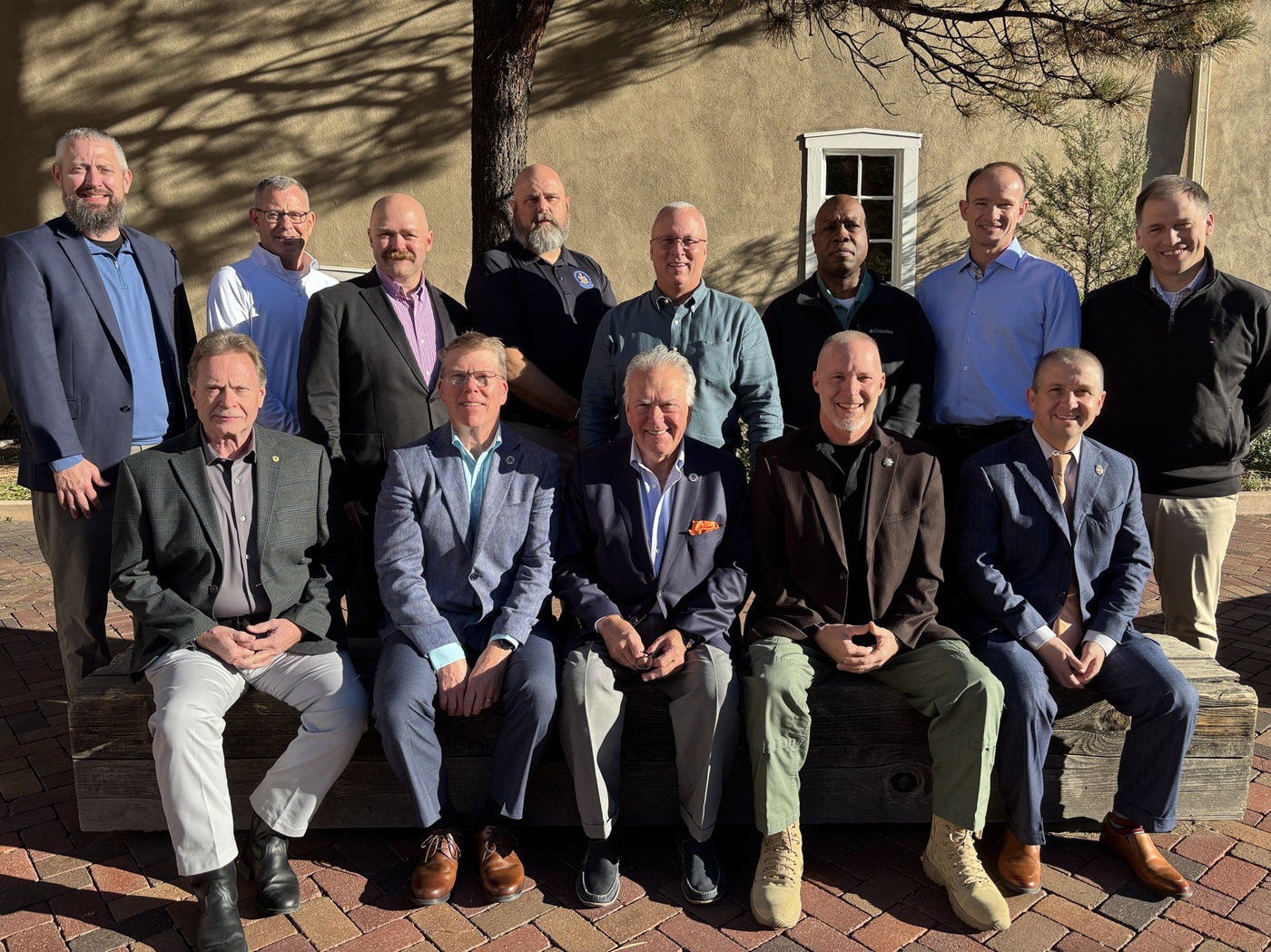
The Law Enforcement Committee reported a productive period centered on publications, policy, and fraud-prevention resources. Working with the Identity Management Committee, it published the Law Enforcement mDL Toolkit, which gives law enforcement members resources on hardware and software solutions, procurement, funding, and implementation strategies. The toolkit is made up of evergreen documents that will be updated as technology progresses and is available on the AAMVA website. Two new policies developed with the Vehicle Committee were recently approved by the AAMVA membership: one holds that the vehicle identification number should not be considered personally identifiable information and the other supports making motor vehicle data readily available to law enforcement for crash and criminal investigations. Both are posted on the AAMVA website.
The Fraud Subcommittee completed its revision of the three-document publication Developing and Maintaining Successful Prosecutor Partnerships. Because many motor vehicle agencies do not have sworn law enforcement on staff, the publication will now also cover establishing law enforcement partnerships, along with more detail on the motor vehicle agency's role in securing identities and protecting consumers and examples of proactive anti-fraud measures. It is expected to be available within the next month. The committee is also streamlining Fraud Detection & Remediation (FDR) training content and document processes, including moving content to AI text-to-speech to reduce future editing, and an FDR member survey is open on the AAMVA website for jurisdictions that manage the program. The NMVTIS Law Enforcement Subcommittee is working with the National Insurance Crime Bureau and the U.S. Department of Justice to integrate stolen vehicle purge information into the Law Enforcement Access Tool (LEAT). They are also working with the Department of Justice to give Canadian non-sworn DMV investigators access to LEAT. The subcommittee worked with the Vehicle Committee and completed revisions to the NMVTIS JSI Model Legislation after consulting the insurance and salvage auction industries on reporting requirements and aligning the language with federal JSI laws; the revised document is posted on the AAMVA website.
At its individual breakout, the Law Enforcement Committee met jointly with the Identity Management Committee to discuss ways to inform and promote the mDL toolkit to law enforcement across North America. It also met jointly with the Driver Committee and the MVA Operations Committee to discuss Nlets, position papers, and related topics.
Identity Management Committee
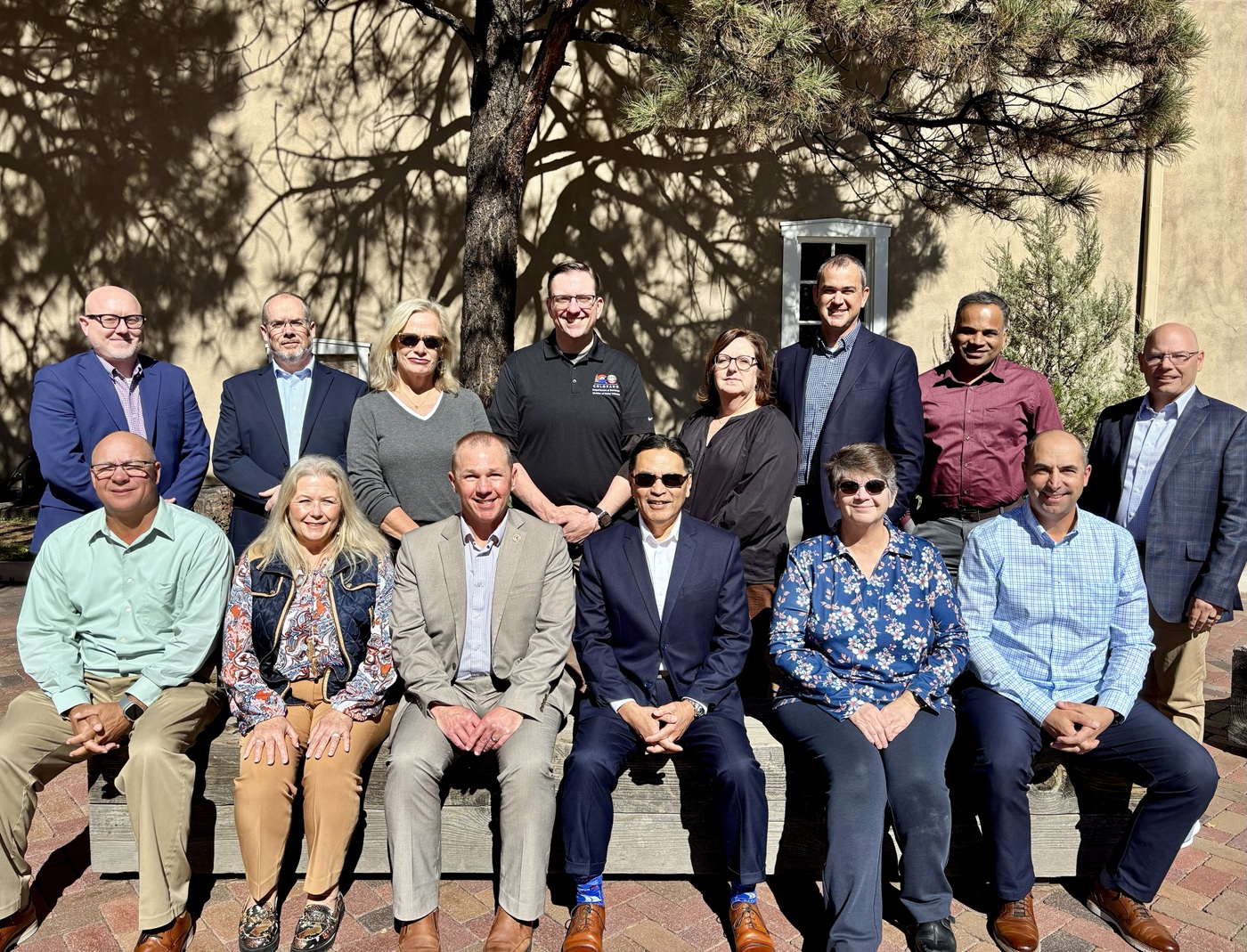
The Identity Management Committee reported on a set of documents moving toward publication. An updated Card Design Standard adds information in Annexes B and D on implementing digital signatures in the 2-D barcode, and a new version of the Procurement Guidance covers what every jurisdiction should consider when scoping an mDL program: priorities, solution approach, budget and staffing, certification, and timeline. Both are expected on the AAMVA website in about a month. An updated Facial Recognition Best Practices document will be published in early 2027. The committee also reviewed four Digital Trust Service (DTS) applications this week, from Connecticut, Mississippi, North Carolina, and Ohio, and heard an update on AAMVA’s business plan for the DTS and continuing in-house development. Today, 23 states issue mDLs, with three more expected by the end of the calendar year, and 20 states are approved for the DTS. AAMVA is also reviewing future enhancements to DLDV and USPVS.
At its individual breakout, the committee decided to review its credential holder privacy principles and add or update them as appropriate. It received an update on the SEDI movement and on expanded education about mDL and its functionality in relation to external standards and movements. The committee also discussed current and future work for the CDS and Digital ID Subcommittees, including the Secure Card Design Principles and updated privacy language in the mDL Model Legislation. The committee will begin a comprehensive update of the mDL Implementation Guidelines once the updated ISO/IEC 18013-5 and -7 standards are published, and its subcommittees will set document review and update schedules so documents can keep pace with technology and program improvements. Finally, the committee requested a working group to develop a documented strategy for the community to use when multiple states and AAMVA staff are educating the same relying parties.
MVA Operations and Customer Experience Committee
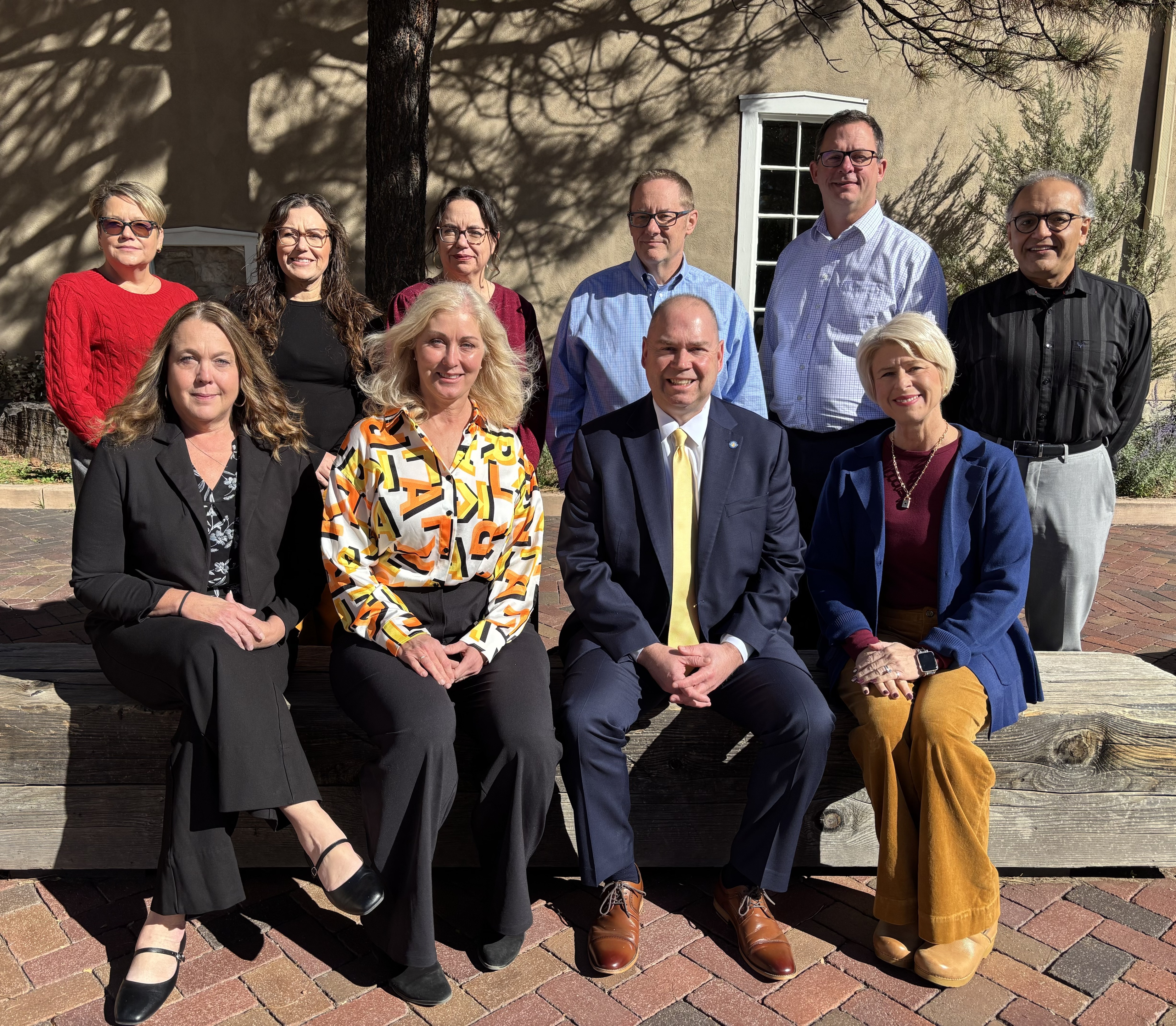
The MVA Operations and Customer Experience Committee provides oversight and governance for the development of standards, best practices, and technical solutions that support effective MVA service delivery and operational performance. Its work is organized around three focus areas: Customer Experience, which addresses customer and employee satisfaction, data analytics and decision-making; MVA Operations, which drives operational excellence through strategy, financial planning and system modernization; and Hot Topics, which lets the committee respond to emerging challenges such as data privacy, voter registration, customer outreach and emergency disruptions. A key initiative this past year was a monthly Town Hall call series: thirteen calls between September 2025 and September 2026 drew 1,427 total attendees, averaging 118 participants and 43 jurisdictions per call, on topics from MVA safety and security to employee engagement, data privacy, measuring customer experience and appointment-based service delivery. The Employee Safety and Security Working Group published a best practices document for managing potential service disruptions in in-person and call center environments. The DMV Service Delivery Model Guidelines Working Group is developing guidelines to help jurisdictions optimize service delivery across all channels, with a publication goal of September 2027. The committee also supported the AAMVA Systems Modernization Pop-Up Classroom, held April 28–29, 2026 in Nashville, Tennessee.
At its individual breakout, customer experience and technology were central themes. The committee is dividing its customer experience measurement guide into basic, intermediate, and advanced levels so jurisdictions can find resources that match where they are in their journey. A kiosk white paper is under way, with immediate issuance identified as the main source of value. Members discussed how AI is changing contact centers and the challenge of keeping personal data out of unapproved AI tools, and the committee plans a Town Hall on AI in contact centers in January 2027. On workforce and policy, a Pop-Up Classroom on succession planning is planned for spring 2027, and the committee will survey jurisdictions on how they handle "not me" letters and develop guidance on surrendered licenses later this year.
Vehicle Committee
 The Vehicle Committee heard updates from Government Affairs, the NMVTIS Law Enforcement Subcommittee, the Automated Vehicles Subcommittee, the NMVTIS State Program Subcommittee, and the Vehicle Titling, Registration, and Records Management Working Group, each sharing current tasks and FY2027 priorities. The NMVTIS Law Enforcement Subcommittee will take up several pending priorities including documenting the benefits of requiring dealers to obtain a NMVTIS vehicle history report and provide key vehicle history information to prospective buyers. The goal is model legislation ready for committee review and approval by June 2027. The committee supported the VIN inspection best practice. The NMVTIS State Program Subcommittee is reviewing the JSI erroneous entry best practices against the State Procedures Manual so the two do not duplicate each other and is examining how vehicle data is shared among jurisdictions. The Vehicle Titling, Registration, and Records Management Working Group aims to complete the dealer reassignment best practices this winter. The Motor Vehicle Record white paper has been distributed for industry feedback. About 20 NMVTIS initiatives are underway at AAMVA, including RESTful modernization, consolidator onboarding and state onboarding, and roughly 36 backlog items covering process improvement, standardization, and data quality will be prioritized by the committee in the coming months. The committee approved the Multistage Vehicle policy and the Motor Vehicle Record policy. Members also agreed that vehicle issues beyond electronic titling and NMVTIS need more support and identified three priorities. Electric bikes and micromobility ranked first, with predatory towing a close second: the committee will start with electric dockless scooters, building on the 2019 white paper, scan current activity and develop a white paper with model.